The most expensive engineering hire you can make isn't the one who charges the most. It's the one who disappears.
You know the story, or you've heard it from a founder who lived it. The agency pitches well, ships something on launch day, collects the final invoice, and quietly moves on. Six months later you're sitting on a half-finished product, a roadmap nobody owns, and a codebase only the people who left fully understand. Now you're not just behind. You're paying someone new to reverse-engineer the last team's work before they can write a single new line.
When you're betting your product on a multi-year build, skill isn't enough to screen for. You have to screen for staying power. The fear is rational, so let's make it actionable: here's how to tell, before you sign, whether a partner will still be here when your roadmap is on its third revision.
If you haven't yet decided how you want to engage a partner (dedicated team, project-based, or augmentation) start with which engagement model fits you. This post is about choosing the who, once you know the structure.
The Most Expensive Hire Is the One Who Disappears
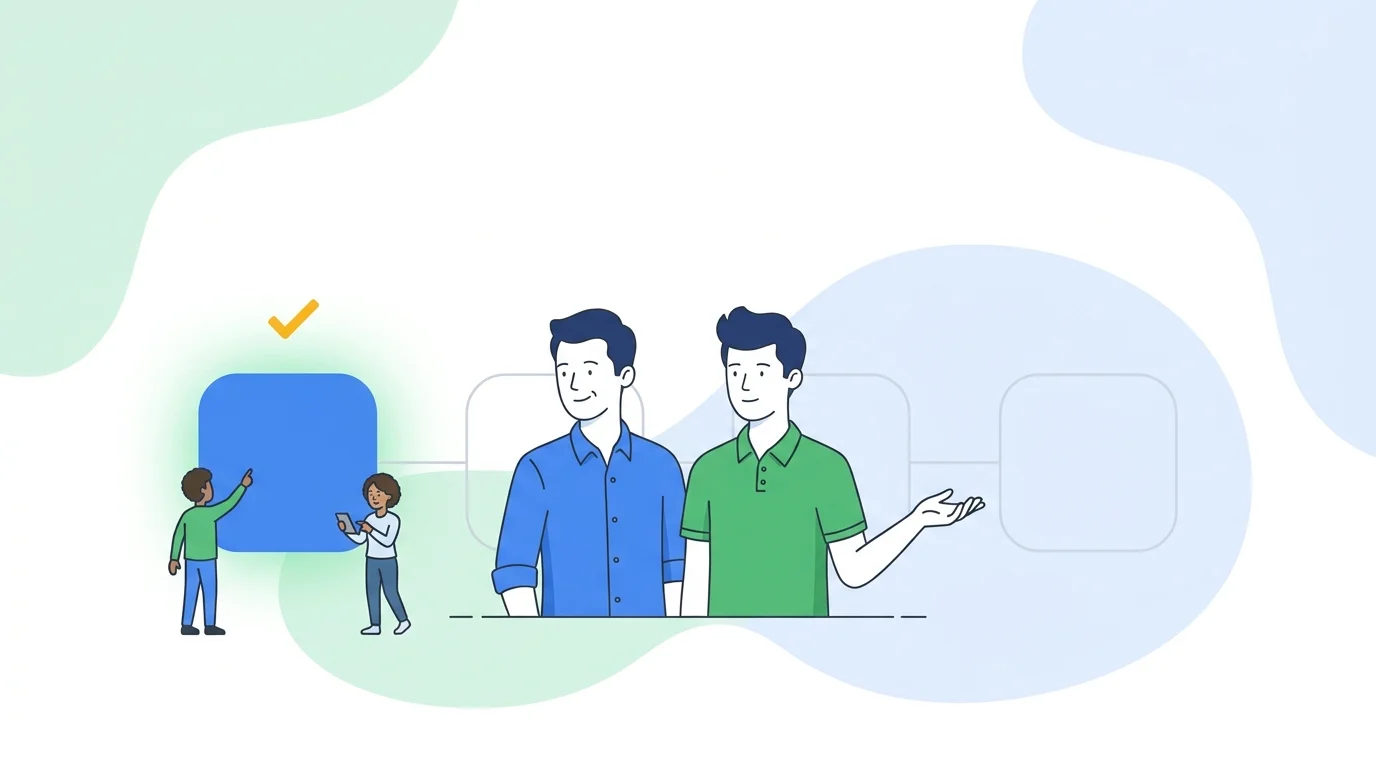
A short build can survive a partner who leaves. A long one can't. The further out your roadmap stretches, the more the relationship itself becomes the asset. And the more a partner's exit costs you.
Think about what actually leaves when a team walks away. Not just the people. The context. The reasons behind a hundred small decisions in your codebase. The undocumented "we did it this way because" that no README captures. A new team can relearn it, but you'll pay for the relearning in both money and momentum. And momentum is the thing early products can least afford to lose.
So before you compare rates or portfolios, ask the question that actually predicts the outcome: will these people still be here in two years?
5 Signs a Partner Will Ghost You After Launch
You can spot the disappearing kind early, if you know the tells. None of these is damning on its own, but together they paint a clear picture.
Every conversation is about the launch date
If all the energy is on shipping day and nobody's talking about month two or year two, that tells you where their attention ends. A partner who plans to stay talks naturally about what happens after launch. Because for them, launch is the start of the relationship, not the finish line.
There's no post-launch support in the pricing
Look at the proposal. If "build" is a single line item and there's nothing about what happens once it's live (no maintenance, no support, no next phase) that's a structural signal. The pricing reflects the plan, and the plan is to hand you the keys and leave.
They can't show you a 2+ year client
Just ask: "Show me a client you've worked with for more than two years, and let me talk to them." A partner who stays will have one and will be glad to connect you. A partner who churns through projects will have references. But all of them recent, all of them short. Notice which kind of evidence you're being shown.
Rotating contractors and a bench
If the people who pitched you aren't the people who'll build (and if those builders rotate as the agency shuffles its bench to fill gaps elsewhere) your project is a slot to be filled, not a relationship to be kept. Ask who specifically will be on your team, and whether they'll still be on it in six months.
They say yes to everything
A partner who never pushes back isn't being agreeable; they're optimizing for the contract, not your outcome. The team that's planning to be around in two years will tell you when a feature can wait, when a timeline is unrealistic, or when you're about to build the wrong thing. Because they'll be the ones living with the consequences alongside you. Honest friction early is a sign of a partner who's thinking long-term.
The Questions That Actually Surface Staying Power
Most vetting checklists ask about experience and communication. Useful, but every agency clears that bar. These are the questions that actually separate the partners who stay from the ones who don't. Ask them out loud, in the sales call, and watch how comfortably they answer.
- "Show me a client you've worked with for 2+ years. And let me talk to them." The single most revealing question. Longevity that can be verified by a real customer beats any case study.
- "What's your engineer turnover? Do you keep a bench, or do the people I meet stay on my project?" You're probing whether you'll get a stable team or a rotating cast.
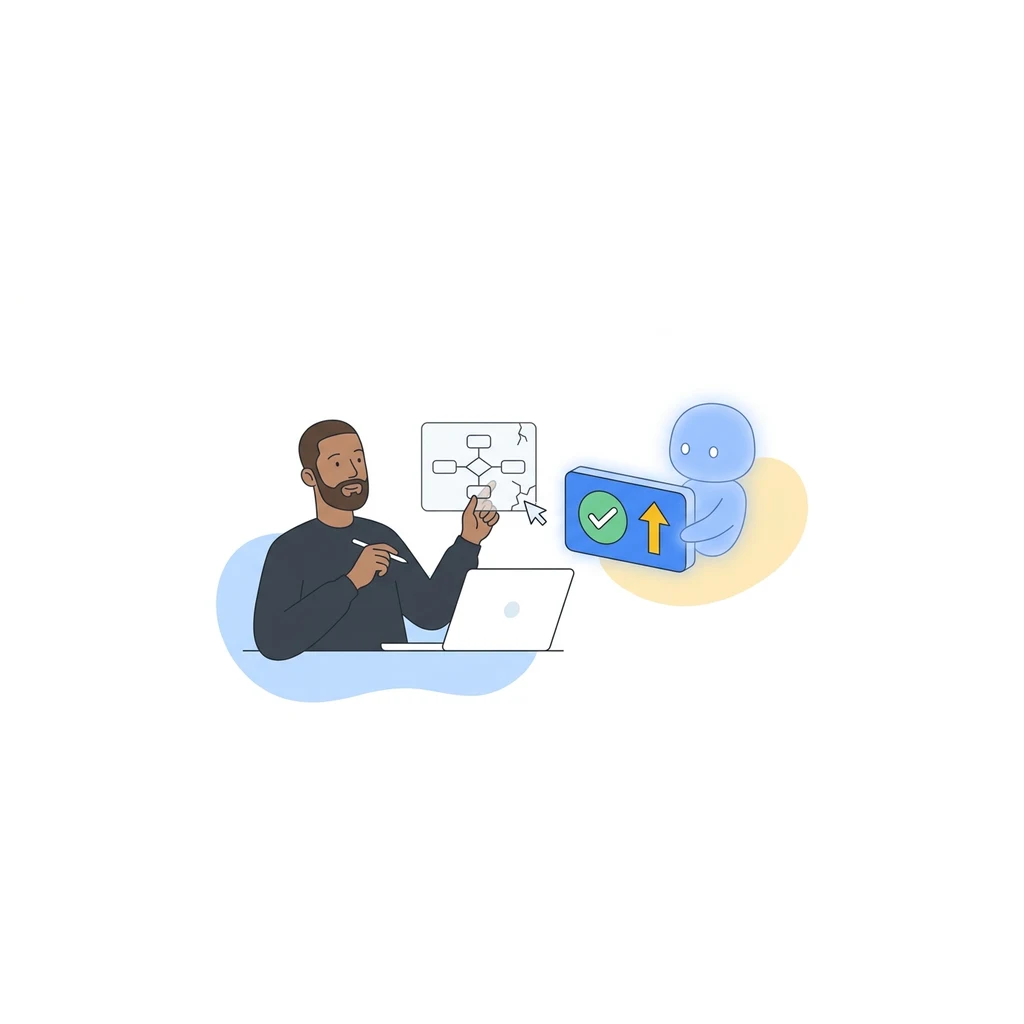
- "What happens to my team if a key engineer leaves you?" Everybody loses people sometimes. The answer you want is about documentation and continuity, not "don't worry about it."
- "How do you document and hand off, so I'm never dependent on one person?" A partner who builds for your independence answers this easily. And it's the same instinct that keeps you from getting locked in. (More on that below.)
- "What does our relationship look like 18 months from now?" Watch whether they have an answer at all. The ones who plan to stay have already pictured it.
The quality of these answers tells you more than any portfolio. A partner who stays has nothing to hide here.
Longevity Is a Proxy for Everything That Matters
Here's why "will they stay?" is such a good question: staying is hard, and it's only possible if a lot of other things are already right.
A partner can only stay with you for years if they've built maintainable code (or they'd drown in their own mess), documented it well (or they couldn't keep a team productive on it), and kept their own engineers happy enough not to leave. Staying power is downstream of quality. You can't fake a long relationship. It has to be earned, repeatedly, every quarter the client chooses to renew.
That's why retention is the most honest signal a partner can offer. It isn't a claim about how good they say they are; it's a record of how often clients decided to keep working with them. When clients tend to stay for years, it's because the partnership keeps being worth it, not because anyone said so in a pitch deck. Ask a prospective partner what their relationships look like over time, and listen for whether the answer is a story or a slogan.
What Staying Actually Looks Like, Two Stories
We could tell you we stay. Everyone says that. So instead, here's what staying has actually looked like for us.
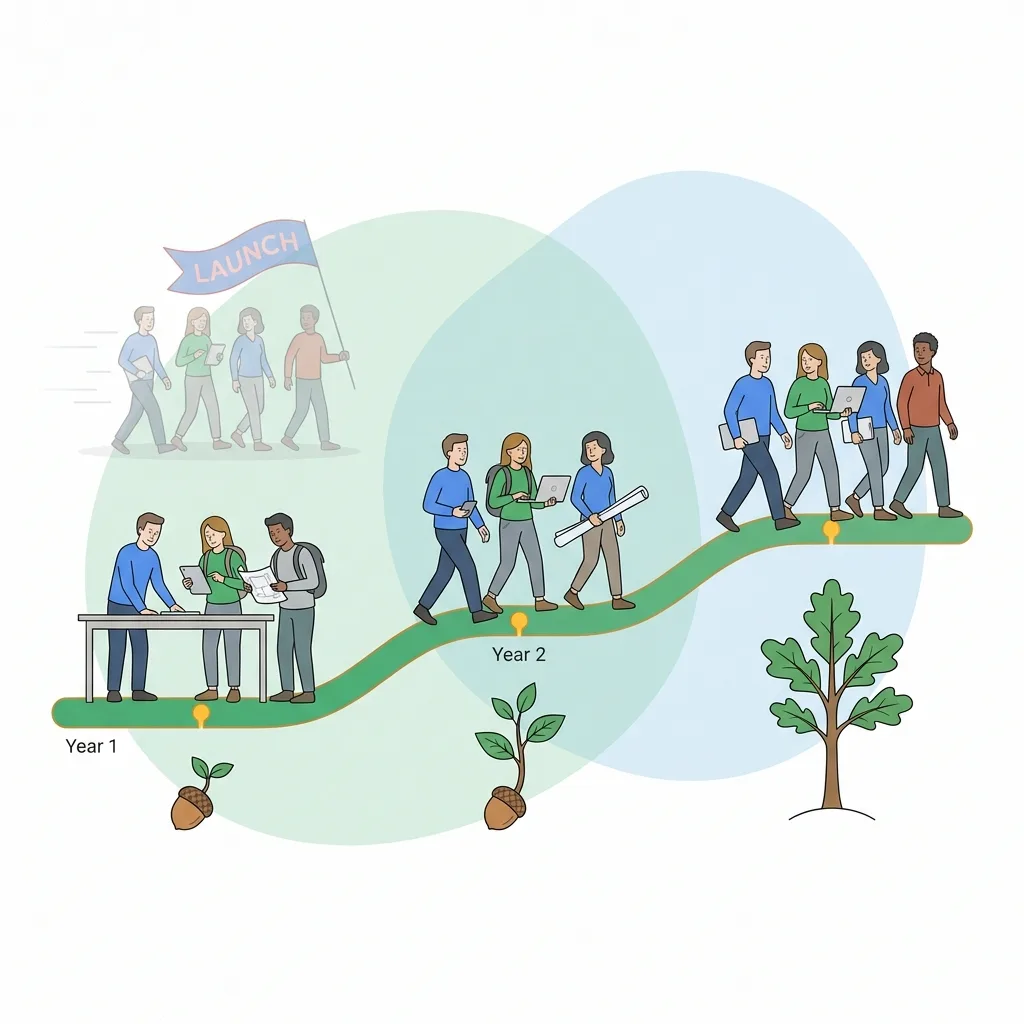
PerformLine started with one engineer. Not a team, not a grand plan, a single engineer, embedded to add capacity. That's a small bet, and it should be. Trust gets earned in increments. Over two years, that one engineer became eight-plus, as the work expanded and the relationship deepened. Nobody signed a multi-year master plan on day one. It grew because each quarter was worth the next. That's what staying looks like from the inside: not a contract clause, but a series of decisions to keep going.
Eitoss came to us with a validated problem and a tight scope. We shipped their MVP in three months. Then they raised funding. And instead of that being the moment a vendor cashes out, it was the moment the real partnership began. Two-plus years later, we're still building together. The MVP was never the finish line. It was the first chapter.
Neither of those is a story about a heroic launch. They're stories about what happened in the years after the launch, which is exactly the part the disappearing kind of agency never gets to tell. We don't claim we stay. These are what staying looked like.
The Team Model Behind Staying Power
Staying isn't just a value; it's structural. It comes out of how a team is built.
We're twenty-plus engineers with no bench and no rotating juniors. That phrase matters more to you than it might sound. "No bench" means nobody on your project is going to be quietly reassigned to fill a gap on someone else's. The engineer who learns your codebase stays on your codebase. "No rotating juniors" means the senior person who joined your project isn't a bait-and-switch for a cheaper hire three months in.
The people you meet are the people who build. And because they stay, your product's context stays with them. That continuity is the quiet engine behind every long relationship we have. You can't have a two-year partnership if the team turns over every quarter.
Pick the Model, Then the Partner
Choosing a partner is really two decisions, and they're easy to blur. The engagement model (dedicated team, project-based, or augmentation) is the structure. Choosing the who is everything in this article. Get the model right and the partner wrong, and the structure won't save you. If you haven't settled the structure yet, which engagement model fits you is the companion to this post.
And here's a test that ties it all together: a partner who'll genuinely stay should also be one who'll let you leave freely. That's not a contradiction. It's the same value. A team that builds for your independence, hands over clean code, and never holds your roadmap hostage is a team that's confident you'll stay because the work is good, not because you're trapped. Staying and lock-in-free are two expressions of the same thing: your success over their leverage. We wrote about the other half of that in avoiding vendor lock-in: owning your code, your docs, and your roadmap from day one.
It's also worth thinking about what kind of team you want (a code shop or a product engineering team) and how that differs from a freelancer versus an agency when longevity is what you're after. One thing every long partner should pass: the code handoff-readiness test.
Want a Partner Who'll Still Be Here in 2 Years?
Then ask us the hard questions. Ask to talk to a client we've worked with since 2024 and decide for yourself, not from our pitch, but from theirs. We'd rather you choose us because someone we built with told you the truth about us than because we sounded good in a deck.
Talk to us, read more about who we are, or see how we approach long-term delivery.
Related reading: Which Engagement Model Fits You | Avoiding Vendor Lock-In | Code Shop vs Product Engineering Team
Get practical engineering insights
Real lessons from building products - ours and our clients'. No spam. Monthly.
Have a project in mind?
We'd love to hear what you're building. Let's talk about how we can help.
Let's Talk