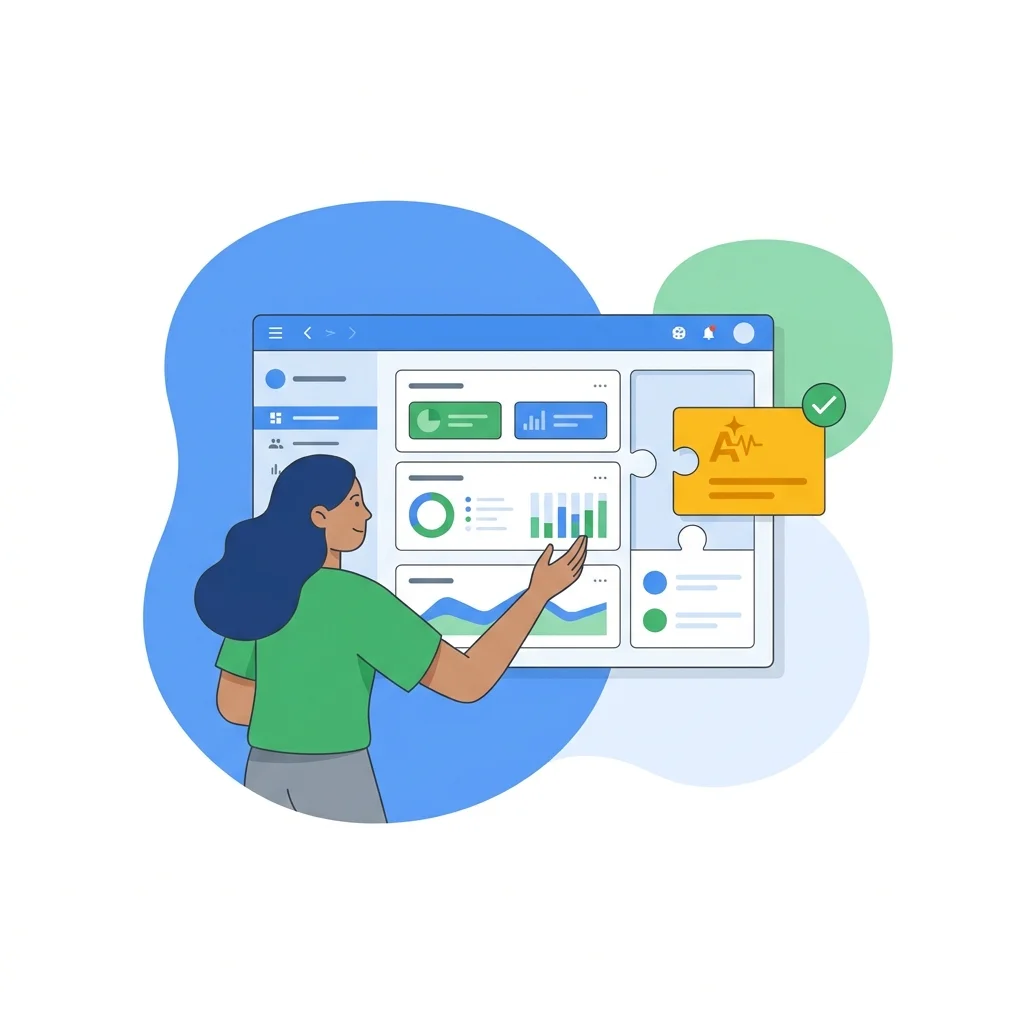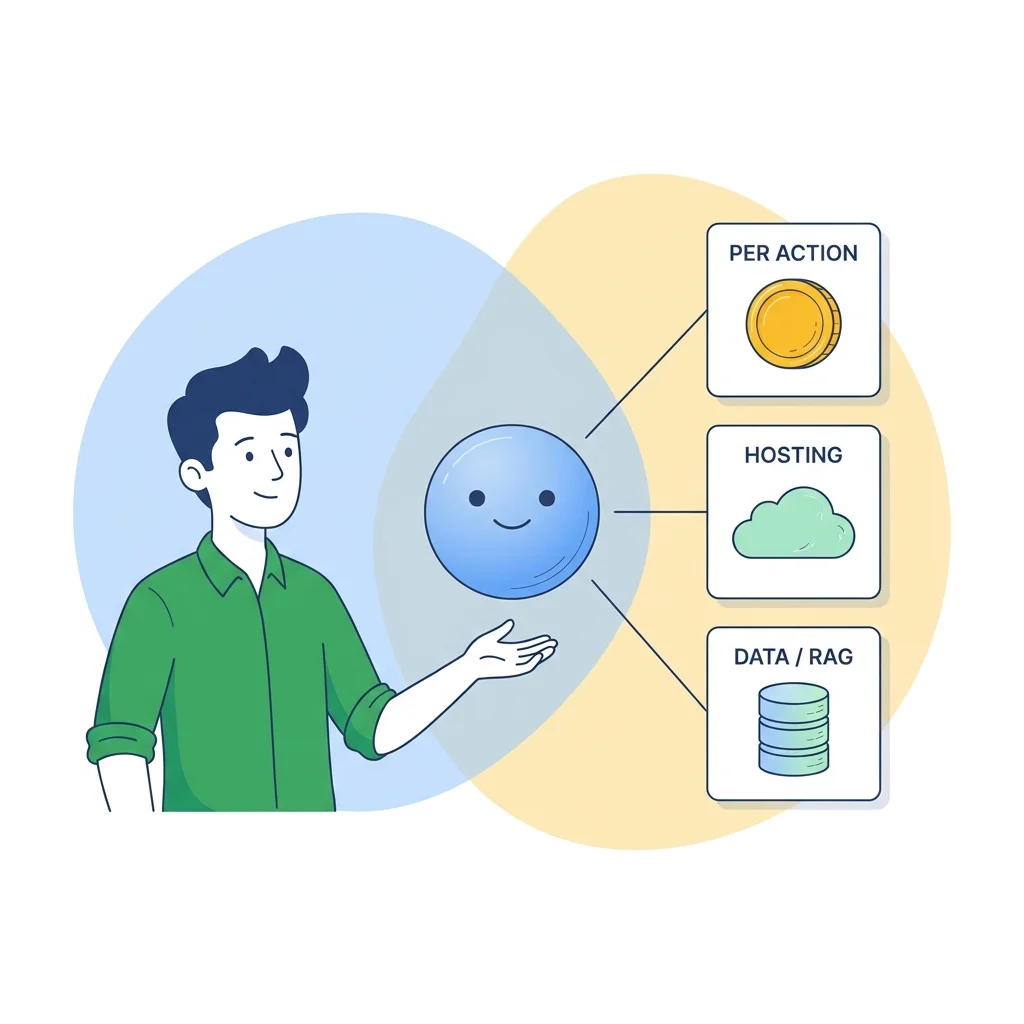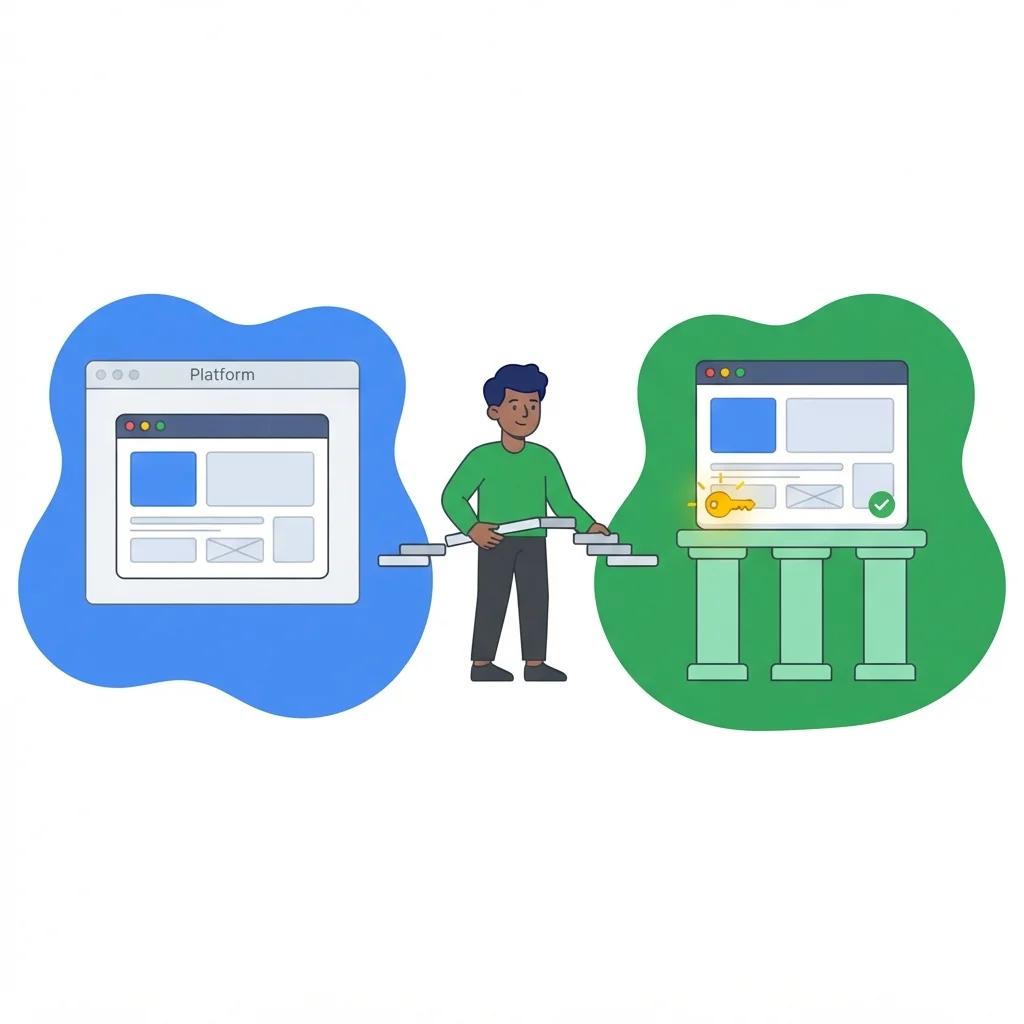
You built it on Lovable, or Bubble, or one of the AI tools that turn a description into an app. It worked. You got users. And now you're looking at turning that into a real, production-grade product, and wondering if that means throwing everything away and starting over.
It doesn't. The tool did the hardest part: it proved the thing works and people want it. What's left is closing a specific set of gaps between "a working app on a platform" and "a real product you own and can grow." Here are the five, and how the move actually goes.
The short version: you don't start over. You rebuild on code you own, and the workflows you already figured out become the blueprint. The gaps to close are ownership, scale, structure, security, and the custom logic the platform can't do. Migrate the load-bearing pieces first, keep the app live while you do it, and it's a graduation, not a do-over.
First, an Honest Check: Should You Migrate Yet?
Before the gaps, the honest question. If you're still figuring out whether people want this, don't migrate. Stay on the tool. It's cheaper and faster for learning, and migrating a product you haven't validated is effort you might throw away.
Migration is for once it's working. If people are using it, paying for it, and asking for more, and you're starting to feel the walls, that's the signal. We wrote a full guide on when a no-code or AI-built app hits the ceiling if you want to pressure-test the timing first. Assuming you're there, here's what has to change.
Gap 1: You Don't Own the Code
On most of these platforms, you don't own source code. You own a configuration inside someone else's system. If the pricing changes, the platform pivots, or you simply outgrow it, your app doesn't come with you.
Closing this gap is the whole point of migrating: getting your product onto code that's genuinely yours, that any team can pick up and build on. It's also why we care about this so much, having built our own product and written before about avoiding vendor lock-in.
Gap 2: It Won't Scale Past the Platform's Ceiling
These tools are optimized for building fast, not for raw performance. That's the right trade early on. But under real load, the app that felt instant with a little data starts to lag, and you can't fix it, because you don't control the engine underneath.
A real product is built to stay fast as the data and traffic grow. That's a foundational choice you can only make in code you control.
Gap 3: No Structure or Tests, So It's Fragile
Platform-built apps (and AI-built ones especially) tend to have no automated tests and no real structure underneath. That's why they break every time you add something. It works until it quietly doesn't, and you find out from a user.
Rebuilding on real code means adding the safety net: structure that makes the app easy to change, and tests that catch a problem before your users do. This is the difference between an app you're scared to touch and one you can build on with confidence. (It's the same gap that makes AI-built apps break in production.)
Gap 4: Security and Data Ownership
The gap you can't see. Platform-built apps often ship with weak access controls, the kind that let the wrong person reach data they shouldn't. And your customers' data lives inside a system you don't control.
A production product handles security properly and keeps your data yours. Once real users trust you with real information, this stops being optional.
Gap 5: The Custom Logic the Platform Can't Do
Eventually you need something the platform simply won't do: a specific integration, a custom workflow, a piece of the product that's genuinely yours and different. On a no-code tool you hit a hard wall. In custom code, that wall isn't there.
Often this is the actual trigger for migrating: the next important thing you want to build is the one thing the tool can't.
How the Migration Actually Goes
The fear is that everything stops for months while engineers rebuild what already works. It doesn't have to, and it shouldn't.
- You keep what you learned. Every screen and workflow you built on the platform is a finished spec. The hard part, knowing what to build, is done. That's why a rebuild of a validated app is usually faster than the original guesswork.
- You run both in parallel. The platform app stays live and serving users while the real product comes together. Nothing goes dark.
- You migrate the load-bearing pieces first. Start with whatever is straining hardest: the slow workflow, the integration you needed, the part that keeps breaking. Get the highest-pain piece onto solid ground first, then move the rest.
For a broader look at taking an early product all the way to a mature one, our guide on scaling from MVP to product covers the wider journey; this post is the specific case of doing it from a no-code or AI tool.
Getting Help With It
Migrating off a tool takes two things: understanding what you built and knowing how to rebuild it so it lasts. If your app was built with AI and it's the fragility and breakage pushing you to move, that specific situation is exactly what our AI App Rescue work is for: we keep what works and get it to production without starting over.
If you're weighing the move, that's a good, honest conversation, and we'll tell you plainly whether you're ready for it or better off staying put a little longer.
Frequently Asked Questions
Can I turn my Lovable or Bubble app into a real product?
Yes. The tool got you a validated, working app, which is the hard part most people never reach. Turning it into a real product means closing a few specific gaps (ownership, scale, structure, security, and custom logic) usually by rebuilding it on code you own. You keep everything you learned; the workflows you built become the spec.
Do I have to rebuild from scratch to move off Bubble or Lovable?
You rebuild the app on real code, but you don't start from scratch in the way that sounds. Every screen and workflow you figured out is a finished blueprint, so the thinking is done. It's a graduation, not a do-over, and it's usually faster than the first build because the product is already validated.
Why won't my Bubble or Lovable app scale?
These tools are built for speed of building, not raw performance. Under real load, pages that were snappy with a little data start to lag, and you can't tune what's underneath because you don't control it. That performance ceiling is one of the most common reasons founders migrate to custom code.
When should I migrate off a no-code or AI tool?
When you've hit the ceiling: workarounds stacked on workarounds, users feeling the performance, an integration the platform can't do, costs outpacing revenue, or realizing you can't take your app with you. If you're still validating, stay on the tool. Migration is for once it's working.
Related reading: No-Code vs Custom: When You Hit the Ceiling, AI App Rescue, and Where AI-Built Apps Actually Break.
Get practical engineering insights
Real lessons from building products - ours and our clients'. No spam. Monthly.
Have a project in mind?
We'd love to hear what you're building. Let's talk about how we can help.
Let's Talk